

Beyond the Shadows: Understanding and Managing Shadow IT in Modern Workplaces
Wednesday, July 9, 2025
Overview
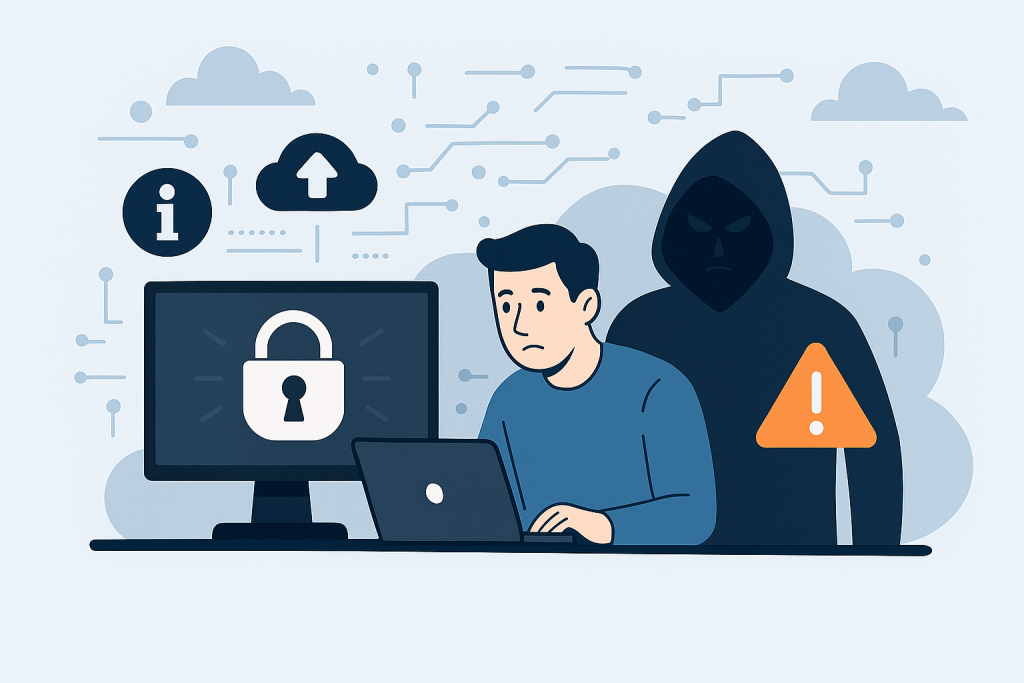
Shadow IT, the use of unsanctioned technology within organizations, has emerged as a double-edged sword in today’s digital environments: While it can foster innovation and productivity, it also introduces serious risks such as data breaches, compliance violations, and integration challenges. This article explores the concept of Shadow IT, its causes, risks, potential benefits, and practical strategies for mitigating associated threats.
Introduction
On the OSU-Stillwater campus, our Enterprise IT department has policies governing use of the campus network. For example, connecting to the OSUGUEST wireless network first requires the user provide contact information before internet access is provided to the device. In this case policies helps limit liability for the individual user and for other users on the same network. Some policies, however, may not be fully understood and seen as obstacles to intended users. In an attempt to enhance productivity, employees may find detours to bypass formal IT processes. This phenomenon, commonly referred to as Shadow IT, refers to the use of hardware, software, or services without the knowledge or approval of the central IT department (Syteca, 2023).
Shadow IT exists in our homes too. Examples include the installation of unauthorized (or unintended) apps on personal devices and devices we’ve forgotten but are still connected to our home’s network. Shadow IT in our homes creates hidden vulnerabilities (Group-IB, 2023).
Forms of Shadow IT
- Unsanctioned IT Assets – Employees bypass procurement procedures, introducing devices or software (e.g., Bring Your Own Device – BYOD) without IT input and oversight.
- Forgotten Infrastructure – Old laptops, phones, or network equipment that were never decommissioned remain connected to networks, holding sensitive data.
- Misconfigurations – IT assets meant to remain accessible only for internal purposes are inadvertently exposed to the public internet.
Risks of Shadow IT
The presence of Shadow IT in organizations introduces several significant risks:
- Data Loss and Leakage – Unauthorized apps often lack encryption or controls, exposing sensitive data.
- Compliance Violations – Shadow IT undermines regulatory requirements such as GDPR or HIPAA.
- Ineffective Security Patching – Systems could remain outdated and vulnerable to compromises.
- New Attack Vectors – Unmanaged apps and devices provide potential entry points for attackers.
- Integration Challenges – Unauthorized solutions may create silos and inefficiencies.
Benefits of Shadow IT
Despite the risks, Shadow IT can offer limited organizational value:
- Productivity Gains – Employees adopt faster or more effective tools when sanctioned systems fall short.
- Identifying Gaps – Adoption of unsanctioned solutions often highlights shortcomings in official IT tools and policies.
Mitigation Strategies
Organizations can recognize Shadow IT and reduce its risks by:
- Implementing clear IT policies – Establishing guidelines for procurement and acceptable use.
- Improving communication – Encouraging employees to share their tech needs with IT.
- Enhancing visibility – Using monitoring tools to detect unauthorized devices and apps.
- Regular audits – Identifying lost (or forgotten) infrastructure or misconfigured assets.
- Education and awareness – Training employees on security risks and compliance requirements
Conclusion
Agriculture IT understands the purposes for Shadow IT because it reflects the evolving needs of our users in their digital work spaces and homes. We invite conversations about this topic as we view them to be an opportunity to improve our responsiveness, governance, and user engagement. Hopefully, together, we can be proactive and foster both innovation and security.
References
Group-IB. (2023). Shadow IT: Risks and Realities. Retrieved from https://www.group-ib.com/resources/knowledge-hub/shadow-it/
Syteca. (2023). Shadow IT Risks. Retrieved from https://www.syteca.com/en/blog/shadow-it-risks
Story By: OSU Agriculture IT | DASNR_it@okstate.edu